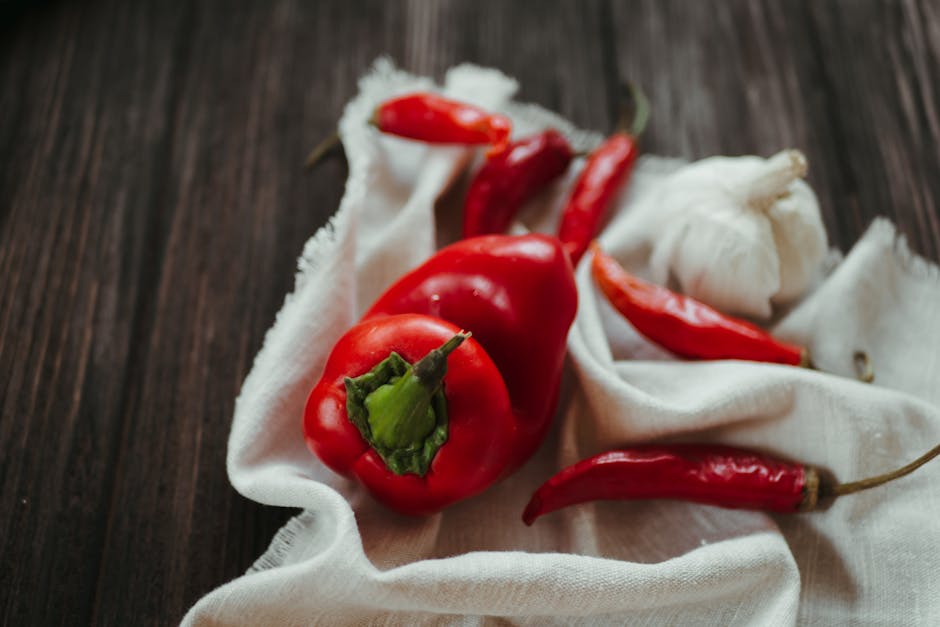
Healthy Meal Prep Ideas for the Week: Fueling Your Body and Saving Time
In today’s fast-paced world, maintaining a healthy diet can feel like an uphill battle. Between work, family, and social commitments, finding the time to cook nutritious meals from scratch often falls by the wayside. This is where meal prepping comes in – a strategic approach to planning and preparing your meals in advance, making healthy eating more accessible and sustainable. This article provides a comprehensive guide to healthy meal prep ideas for the week, catering to diverse dietary needs and preferences.
1. Laying the Foundation: Planning and Shopping
Before diving into cooking, meticulous planning is paramount. Start by assessing your weekly schedule, identifying busy days where meal prep will be most beneficial. Next, define your dietary goals: are you aiming for weight loss, muscle gain, or simply improved overall health? Consider any allergies or intolerances and preferences for specific cuisines or ingredients.
Create a detailed meal plan for each day of the week, including breakfast, lunch, dinner, and snacks. Aim for variety to prevent boredom and ensure a balanced intake of macronutrients and micronutrients. Once your meal plan is finalized, create a comprehensive shopping list, categorized by grocery store sections (produce, protein, grains, etc.). This streamlined approach minimizes impulse buys and ensures you have all the necessary ingredients on hand.
2. Breakfast Powerhouses: Jumpstarting Your Day
Breakfast is often hailed as the most important meal, but it’s also the most frequently skipped. Meal prepping breakfast ensures a nutritious and convenient start to your day.
- Overnight Oats: A versatile and customizable option. Combine rolled oats, milk (dairy or non-dairy), chia seeds, and your favorite toppings (berries, nuts, seeds, protein powder) in individual jars. Refrigerate overnight for a creamy, no-cook breakfast ready to grab and go. Variations include adding Greek yogurt for extra protein or incorporating spices like cinnamon or nutmeg for flavor.
- Breakfast Burritos: Scramble eggs with your choice of vegetables (onions, peppers, spinach) and lean protein (turkey sausage, black beans). Wrap in whole-wheat tortillas with salsa and a sprinkle of cheese (optional). Freeze individually for a quick microwave breakfast.
- Smoothie Packs: Pre-portion frozen fruits (berries, bananas, mango), spinach or kale, and protein powder into individual bags. In the morning, simply add liquid (water, milk, juice) and blend. This minimizes prep time and ensures a consistent smoothie every time.
- Baked Oatmeal Cups: Combine oats, milk, eggs, sweetener (honey, maple syrup), and your favorite fruits and nuts. Bake in muffin tins for easy-to-grab breakfast portions. These are a great source of fiber and can be customized with different flavor combinations.
- Yogurt Parfaits: Layer Greek yogurt, granola, and berries in individual containers. This provides a balanced combination of protein, carbohydrates, and healthy fats.
3. Lunchbox Legends: Midday Fuel for Productivity
Lunchtime is often a struggle, with processed foods and takeout tempting those pressed for time. Meal prepping lunches ensures you have a healthy and satisfying midday meal.
- Salad Jars: Layer dressing at the bottom, followed by hard vegetables (carrots, cucumbers), grains (quinoa, brown rice), protein (grilled chicken, chickpeas), and leafy greens on top. This prevents the salad from becoming soggy and ensures freshness. Choose a variety of vegetables for optimal nutrient intake.
- Grain Bowls: Combine cooked grains (quinoa, brown rice, farro) with roasted vegetables (broccoli, sweet potatoes, Brussels sprouts), protein (baked tofu, lentils, grilled fish), and a flavorful sauce (tahini dressing, pesto). These are highly customizable and packed with nutrients.
- Protein Boxes: Divide containers with protein (hard-boiled eggs, cheese cubes, deli meat), vegetables (cherry tomatoes, cucumber slices, bell pepper strips), and healthy fats (nuts, avocado). These are a great low-carb option that keeps you feeling full and satisfied.
- Soup in a Jar: Prepare your favorite soup (vegetable, lentil, chicken noodle) and portion it into jars. Add a layer of cooked pasta or rice for added substance. Reheat in the microwave for a comforting and healthy lunch.
- Wraps: Fill whole-wheat tortillas with hummus, roasted vegetables, and protein (turkey breast, black beans). These are easy to transport and can be customized with different fillings to suit your taste.
4. Dinner Delights: Nourishing Your Body After a Long Day
Dinner is often the most substantial meal of the day, but it’s also the one that can easily derail your healthy eating efforts. Meal prepping dinners ensures you have a nutritious and delicious meal waiting for you after a long day.
- Sheet Pan Meals: Roast vegetables (broccoli, bell peppers, onions) and protein (chicken, sausage, tofu) on a single sheet pan. This minimizes cleanup and allows for easy portioning. Season with your favorite herbs and spices for added flavor.
- Casseroles: Prepare a casserole with lean protein (ground turkey, chicken breast), vegetables, and a whole-grain carbohydrate source (brown rice, quinoa). These can be baked in advance and reheated as needed.
- Stir-Fries: Stir-fry vegetables (broccoli, carrots, snap peas) and protein (chicken, shrimp, tofu) with a flavorful sauce (soy sauce, teriyaki sauce). Serve over brown rice or quinoa.
- Chili: Prepare a large batch of chili with lean ground beef or turkey, beans, and vegetables. This is a hearty and satisfying meal that can be easily reheated.
- Pasta Dishes: Cook whole-wheat pasta and toss with vegetables (spinach, tomatoes, mushrooms) and protein (grilled chicken, shrimp). Use a light sauce such as marinara or pesto.
5. Smart Snacking: Curbing Cravings the Healthy Way
Snacking is an essential part of a balanced diet, but it’s important to choose healthy and satisfying options.
- Hard-Boiled Eggs: A great source of protein and healthy fats.
- Trail Mix: Combine nuts, seeds, and dried fruit. Be mindful of portion sizes due to the high calorie content.
- Cut Vegetables with Hummus: A healthy and refreshing snack.
- Greek Yogurt with Berries: Provides protein, calcium, and antioxidants.
- Apple Slices with Peanut Butter: A classic combination of fiber, protein, and healthy fats.
6. Storage and Safety: Keeping Your Meals Fresh
Proper storage is crucial to maintaining the quality and safety of your meal-prepped foods.
- Use airtight containers: This prevents food from drying out and absorbing odors.
- Cool food completely before refrigerating or freezing: This prevents condensation and bacteria growth.
- Refrigerate cooked foods promptly: Aim to refrigerate within two hours of cooking.
- Store foods in the refrigerator for 3-4 days: Beyond this timeframe, freeze for longer storage.
- Label containers with the date: This helps you keep track of when the food was prepared.
- Use freezer-safe containers or bags for freezing: This prevents freezer burn.
- Thaw frozen food in the refrigerator overnight: This is the safest method for thawing.
7. Tips and Tricks: Maximizing Your Meal Prep Success
- Start small: Don’t try to prep all your meals at once. Begin with a few breakfasts or lunches and gradually increase the amount of food you prep each week.
- Choose recipes that can be easily scaled up: This allows you to cook larger batches and save time.
- Utilize your slow cooker or Instant Pot: These appliances can be a lifesaver for preparing large quantities of food.
- Double or triple recipes and freeze the extras: This provides a stockpile of ready-to-eat meals for busy weeks.
- Involve family members: Turn meal prep into a family activity and assign tasks to each person.
- Experiment with different recipes and ingredients: This will prevent boredom and keep your meals interesting.
- Invest in quality storage containers: Durable and airtight containers will help keep your food fresh and organized.
- Clean as you go: This will prevent a massive cleanup after your meal prep session.
- Don’t be afraid to adjust your plan as needed: Life happens, so be flexible and adapt your meal prep to fit your changing circumstances.
- Celebrate your success: Acknowledge your accomplishments and reward yourself for sticking to your healthy eating goals. Meal prepping is a journey, not a destination.